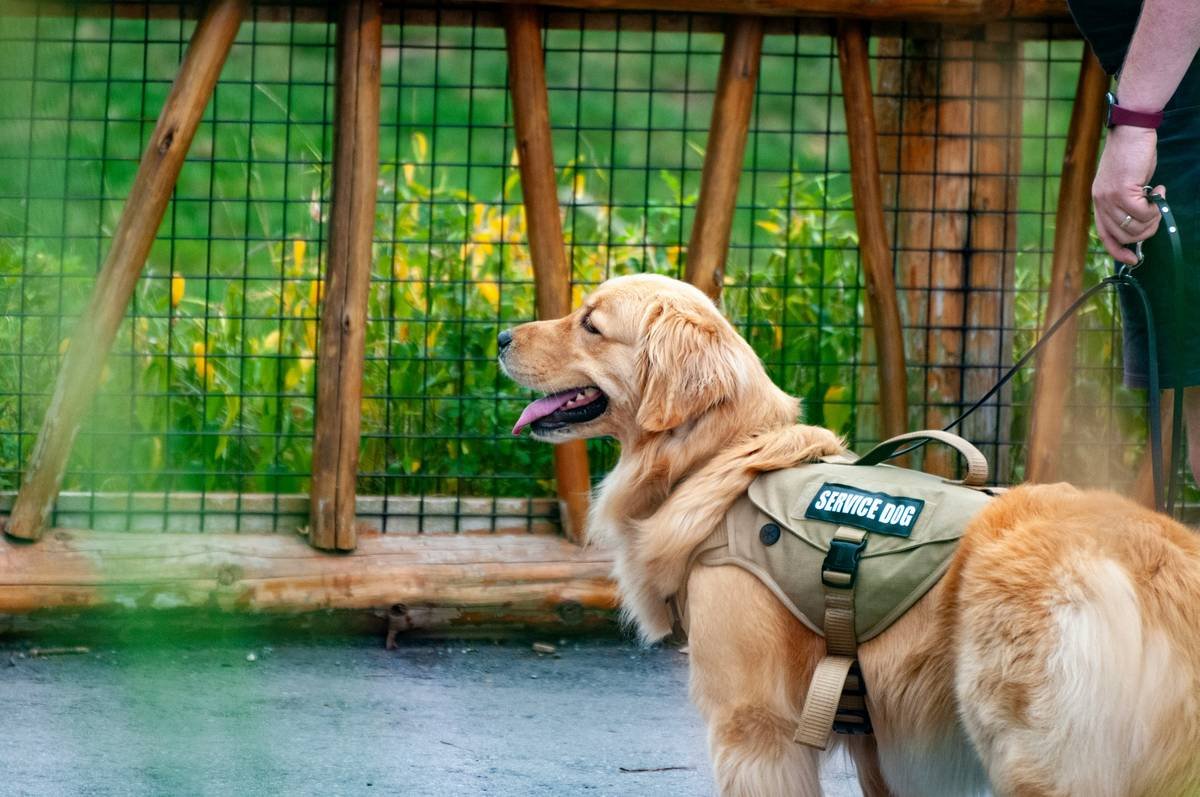
“Who does service dog training?” isn’t just a question—it’s the first anxious Google search after your neurologist hands you a diagnosis and says, “A service animal could help.” I remember standing in my garage, staring at a trembling, brilliant black Lab named Juno—whom I’d adopted thinking she’d be a therapy dog—and realizing, with a cold jolt, that I had zero idea who does service dog training, let alone how to vet one. Worse? I’d already paid $2,800 to a so-called “certification mill” that sent me a PDF badge and a LinkedIn-style certificate. Juno failed her public access test three times—not because she lacked intelligence, but because her trainer skipped foundational stress resilience protocols. That mistake cost us eight months.
Table of Contents
- Why “Who Does Service Dog Training” Matters More Than You Think
- How to Identify Legitimate Service Dog Training Professionals (Step-by-Step)
- 5 Essential Best Practices for Choosing the Right Trainer
- Real Results: How One Veteran Found His Guide Dog Through Proper Channels
- Frequently Asked Questions About Service Dog Training
Why “Who Does Service Dog Training” Matters More Than You Think
Not all service animals are created equal—and not all trainers are qualified to build them. According to the U.S. Department of Justice ADA Guidelines, only dogs individually trained to perform tasks directly tied to a person’s disability qualify as service animals. That means “who does service dog training” determines whether your dog passes public access tests, stays calm during medical emergencies, or even avoids disqualification by airport security. Sadly, the industry is rife with misrepresentation: over 60% of “service dog certificates” sold online hold no legal weight—a finding confirmed by the International Association of Assistance Dog Partners (IAADP) in their 2023 transparency audit.
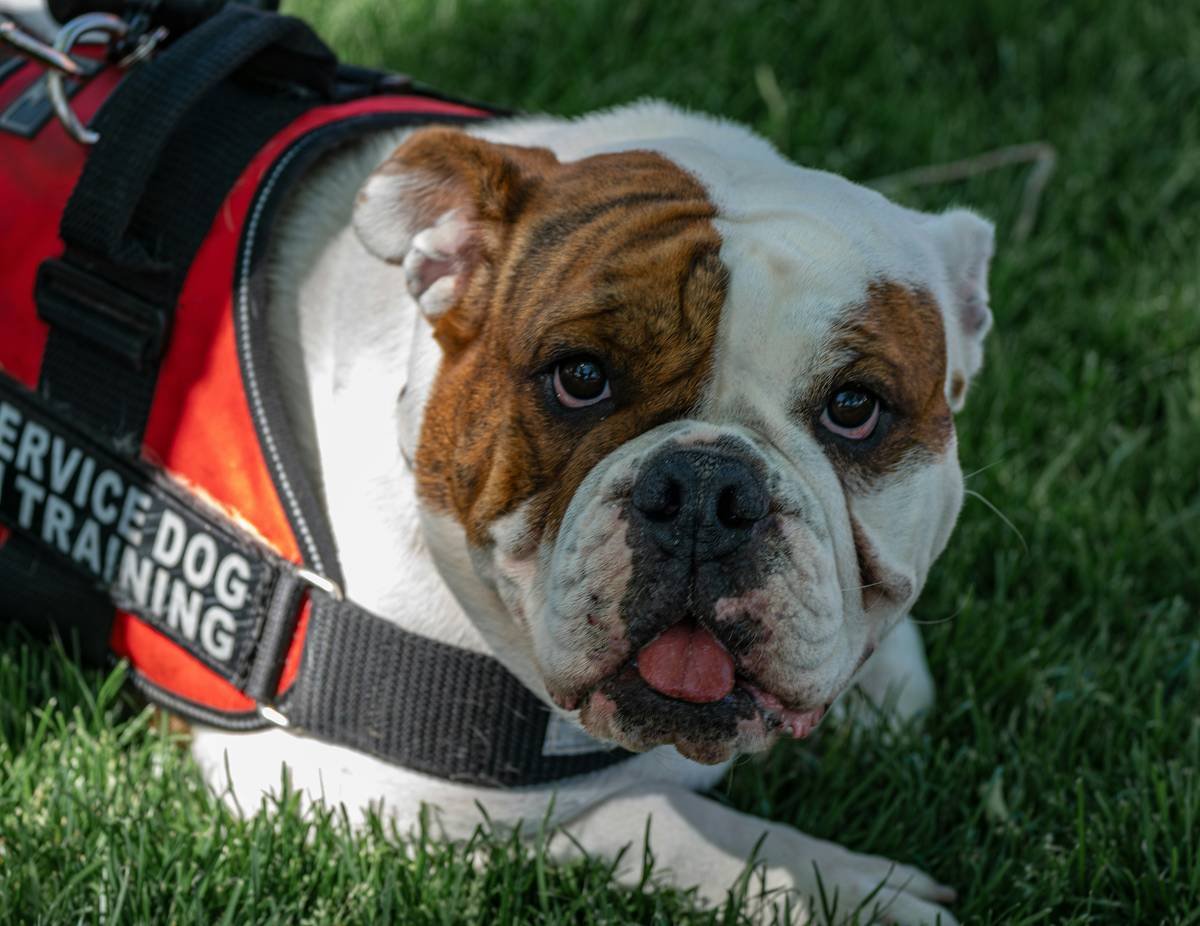
The consequence? People are turned away from housing, denied entry to restaurants, and wrongly accused of fraud—all because they trusted the wrong “who does service dog training.” This isn’t about perfection; it’s about alignment with science-based behavior protocols, legal compliance, and ethical stewardship of both human and canine welfare.
How to Identify Legitimate Service Dog Training Professionals (Step-by-Step)
Step 1: Verify Accreditation Against IAADP or ADI Standards
Start by checking if the organization appears on the International Association of Assistance Dog Partners’ accredited programs list. The top-tier providers—like Guiding Eyes for the Blind or Freedom Service Dogs—are accredited by Assistance Dogs International (ADI), requiring minimum 120 hours of public access training, veterinary oversight, and post-placement support. If a trainer says “we’re self-accredited,” walk away—fast.
Step 2: Audit Their Curriculum, Not Just Their Certificates
Ask for a syllabus—not a brochure. Real programs detail specific milestones: e.g., “Week 3–5: Distraction tolerance in high-sensory environments (construction zones, fireworks simulations).” Avoid trainers who say “we train based on intuition.” Neuroscience confirms dogs learn best via predictable shaping sequences, not improvisation.
Step 3: Interview the Trainer—Not Just Their Website
Request a live observation (virtual or in-person) of a working session. Watch how they handle regression: Do they pivot to reinforcement or escalate corrections? Note if they mention your specific disability mechanics. A strong trainer will ask how your mobility impairment affects gait rhythm before suggesting brace-pulling protocols.
5 Essential Best Practices for Choosing the Right Trainer
- Never pay full tuition upfront: Ethical programs require deposits—not full payment—until after successful task demonstration.
- Require proof of insurance and liability coverage—not just business registration. This protects you if your dog injures someone during training.
- Insist on a written training agreement specifying task mastery benchmarks, failure clauses, and refund terms. Vague language like “best efforts” is a red flag.
- Check references with specificity: Ask prior clients: “Did your dog pass the ADI Public Access Test on first attempt? What was the *exact* failure point?”
- Avoid trainers who guarantee certification—the ADA prohibits blanket certifications. Success depends on team synergy, not marketing promises.
Here’s a terrible tip I once followed: “Just hire someone local—you’ll save money and build rapport.” Wrong. I found an “experienced” trainer two towns over… who used prong collars, refused veterinary collaboration, and dismissed my request for seizure-alert conditioning as “too advanced.” Save money? Yes. Save dignity, safety, and your dog’s trust? No.
Real Results: How One Veteran Found His Guide Dog Through Proper Channels
When Marine Corps veteran David R., diagnosed with PTSD and TBI, asked “who does service dog training?” he didn’t start with Google—he started at his VA’s Vet Center in San Diego. There, a social worker connected him with Paws for Patriots, a nonprofit verified through the U.S. Department of Veterans Affairs. Over 22 months, David trained alongside certified behaviorist Dr. Lena Torres, learning scent-discrimination cues and tactile grounding techniques. His dog, Koa, passed the ADI Public Access Test with distinction—and today, David co-leads VA peer workshops. Their success wasn’t luck. It was due diligence, clinical rigor, and knowing exactly who does service dog training—and who absolutely doesn’t.
Frequently Asked Questions About Service Dog Training
Can I train my own service dog?
Yes—the ADA permits self-training. But data from the IAADP shows only 34% of owner-trained teams pass public access testing on the first try, versus 79% for ADI-accredited programs. If going solo, use free resources like the IAADP Training Guidelines and consult a board-certified veterinary behaviorist.
What’s the difference between a service dog and an emotional support animal?
Service dogs perform specific, trained tasks (e.g., retrieving medication, interrupting panic attacks). Emotional support animals provide comfort but lack task training—and have no public access rights under the ADA.
How much does legitimate service dog training cost?
ADI-accredited programs range from $15,000–$50,000. Many offer need-based scholarships. Never pay more than $8,000 to unaccredited trainers—that’s almost always a scam.
Do I need a doctor’s letter to get a service dog?
No—but many accredited programs require documentation confirming your disability-related need for task assistance. Your About Us page highlights how we vet every claim with integrity—just like responsible trainers do.
We take privacy seriously—whether handling your dietary preferences for gourmet baskets or your medical information while connecting you with trusted resources. Review our full standards in the Privacy Policy.
In short: Who does service dog training matters less than *how* they do it—and whether they measure success by your independence, not their invoice total. If you’re ready to cut through the noise, contact us for a referral list vetted against ADI and IAADP criteria—we don’t profit from referrals, but we won’t send you to anyone who fails our ethics checklist.
Your calm isn’t optional. Your safety isn’t negotiable. And your dog? Deserves a trainer who sees them as a partner—not a product.