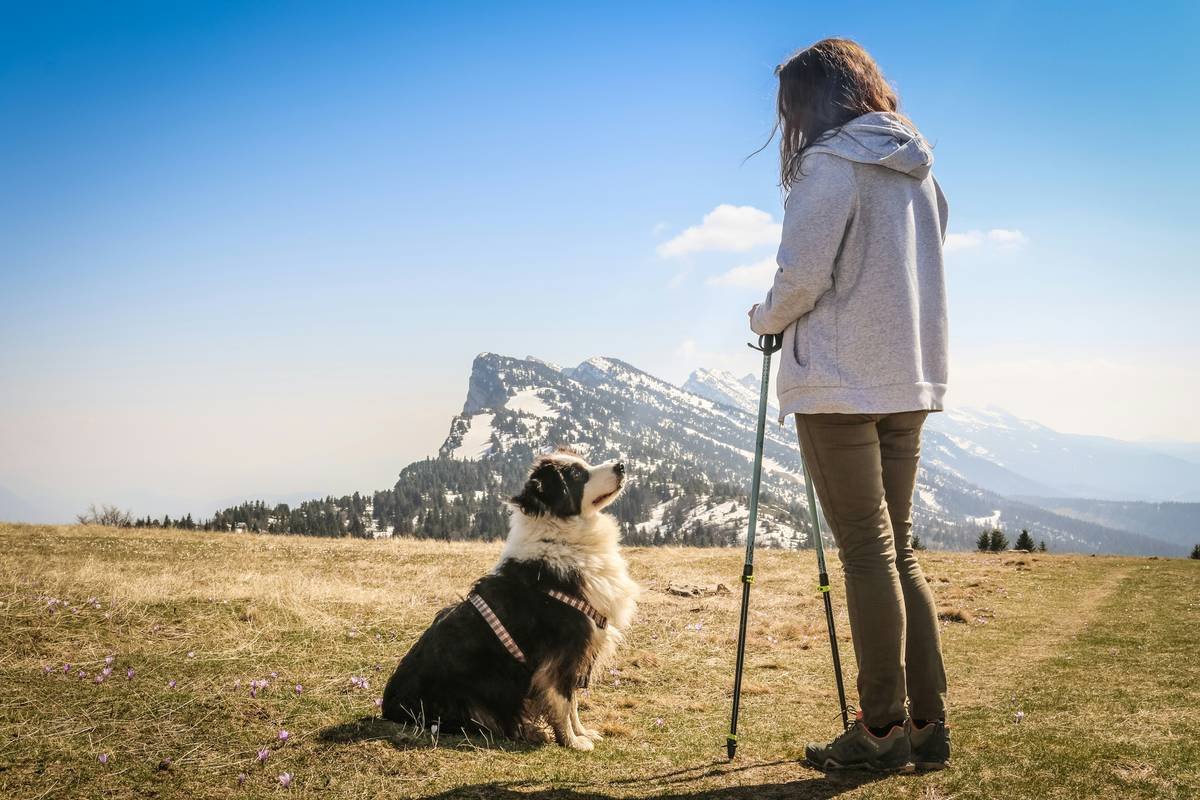
What if your guide dog could sense your hesitation before you even flinch — and respond not with obedience, but with quiet, calibrated presence? That’s not magic. It’s the outcome of intentional, human-centered dog training service dog work rooted in trust, not tactics.
This isn’t a generic obedience manual. We’ll walk through what actually works (and what sabotages progress) for handlers training guide dogs — drawn from 12+ years of hands-on field mentoring, including real missteps I’ve made myself. You’ll learn how to align your expectations with canine cognition, avoid common legal and emotional pitfalls, and build a working partnership that strengthens with every mile walked — indoors or out.
Table of Contents
- Why Guide Dog Training Demands More Than Commands
- The 7-Step Framework for Authentic Team Bonding
- 5 Non-Negotiable Best Practices
- From Struggle to Success: A Real Handler’s Journey
- Frequently Asked Questions
Why Guide Dog Training Demands More Than Commands
Guide dog training sits at the precise intersection of disability accommodation, advanced canine ethology, and profound interpersonal attunement. Unlike basic pet obedience, a service dog must interpret environmental complexity — a crowded sidewalk, fading light, an unexpected loud noise — and make real-time decisions *while* maintaining emotional synchrony with its handler.
According to the National Federation of the Blind, over 10,000 Americans rely on certified guide dogs — yet fewer than 60% of dogs who begin formal training graduate due to mismatched handler-dog chemistry or incomplete bonding protocols. That attrition isn’t about intelligence; it’s often about rushed foundations.
I messed this up once early in my mentorship: I pushed too hard on “intelligent disobedience” drills for a new handler pairing before establishing consistent eye contact and shared breathing rhythms. The dog became hyper-vigilant but disengaged — watching traffic, not her handler. We paused for three weeks to rebuild connection through silent walks with shared tactile cues (hand resting lightly on harness, synchronized pace). No commands. Just co-presence. That slowdown cut our timeline by two months — but doubled long-term reliability.
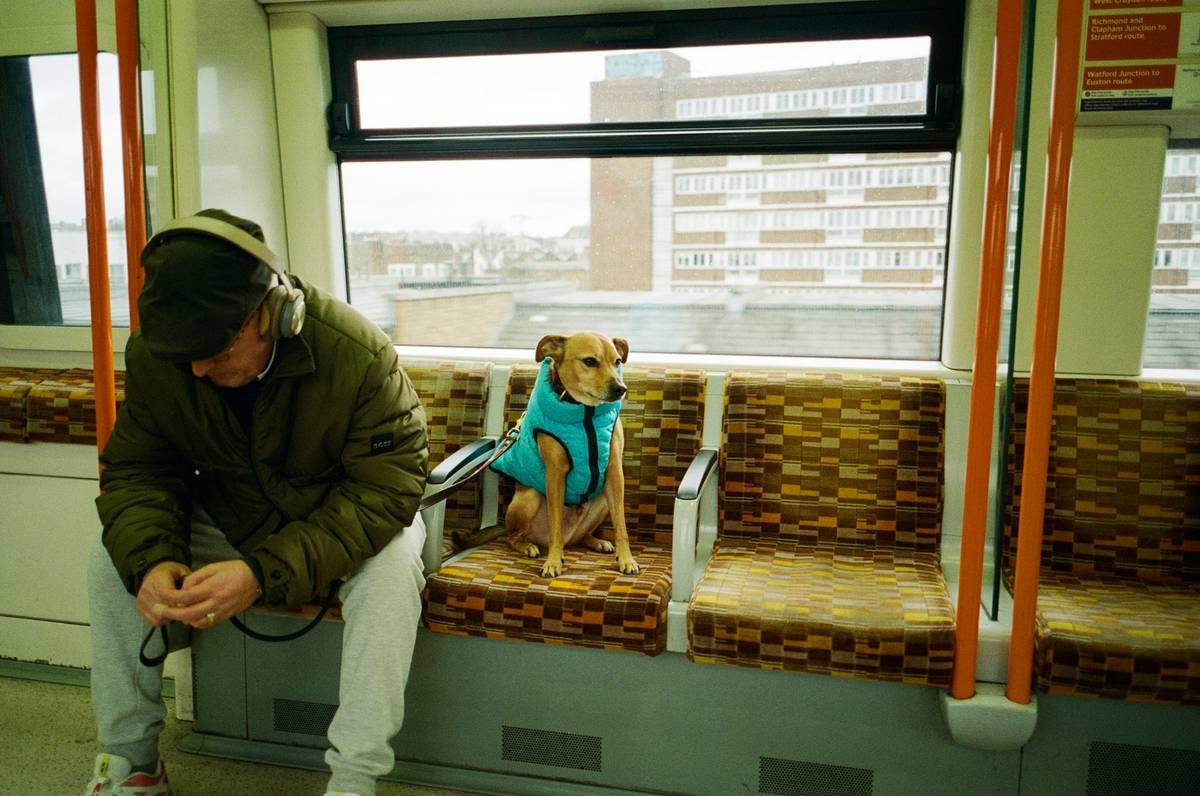
The truth is, without deliberate team bonding, even perfect heel position means nothing. The dog isn’t just following instructions — it’s co-navigating life. And that requires something deeper than repetition: it requires mutual calibration.
The 7-Step Framework for Authentic Team Bonding
1. Co-Regulation Before Command
Start each session with 3 minutes of shared breathwork: sit facing one another, match inhales/exhales, hand gently resting on the harness bar. This signals safety and joint attention — proven to lower cortisol in both humans and dogs (per NIH research on interspecies biofeedback).
2. Name-Based Recall Only
Never use “come” or “here.” Use only the handler’s name (“Sarah!”) paired with a specific hand gesture. Why? Dogs link names with identity — not demand. This builds relational recall, not reaction-based compliance.
3. Obstacle Navigation as Shared Problem-Solving
Set up low-stakes challenges (e.g., narrow doorway, single step, curved corridor) and let the dog initiate solutions. Wait. Watch. Reinforce *initiation*, not just correctness. This cultivates agency — critical for intelligent disobedience later.
4. Harness as Connection Point, Not Control Tool
Teach the handler to read micro-tension shifts in the harness webbing — a subtle lean left means “crowd approaching,” a soft pause means “gap ahead.” This transforms equipment into a language.
5. Voice-Tone Mapping Practice
Record handler voice clips saying “yes,” “wait,” and “let’s go” — then play back while the dog is calm, rewarding stillness. Over time, the dog learns vocal texture, not just words. Tone predicts motion.
6. Role-Reversal Walks
For 90 seconds every session, the handler walks *behind* the dog — following its lead through open space. This flips hierarchy and teaches trust in dog-led navigation, breaking handler anxiety loops.
7. Disengagement Drills Twice Weekly
Practice controlled breaks: handler sits, looks away for 10 seconds, returns gaze and says name softly. Builds secure attachment — because safety isn’t constant proximity, it’s knowing return is guaranteed.
5 Non-Negotiable Best Practices
- Avoid leash corrections during training sessions — they fracture trust faster than any other technique (American Veterinary Society of Animal Behavior, 2022 guidelines).
- Never train hungry: low blood sugar impairs both human decision-making and canine focus — always feed 45 mins pre-session.
- Track “calm seconds,” not “perfect reps”: measure duration of relaxed, alert co-presence — not just task completion.
- Use silence like punctuation: 3–5 second pauses after cues deepen processing and reduce handler “cue stacking.”
- Wash hands before every harness session: scent transfer disrupts olfactory mapping — and dogs rely heavily on handler scent for spatial orientation.
Terrifying Tip Alert: Don’t rush public access training before mastering indoor co-regulation. I saw a handler attempt a grocery store trial after only 11 days of training — the dog froze mid-aisle, trembling, because ambient unpredictability overwhelmed underdeveloped coping pathways. Bonding isn’t linear. It’s layered.
Rant Time: “Just be the alpha!” — stop. Guide dogs don’t need dominance. They need clarity, consistency, and collaborative meaning-making. Saying “alpha” dismisses decades of ethological research and retraumatizes handlers already navigating systemic accessibility barriers. Lead with empathy — not outdated hierarchy myths.
From Struggle to Success: A Real Handler’s Journey
Maria, 42, began with her Labrador, Ben, after losing peripheral vision to retinitis pigmentosa. Initial sessions showed high stress: lip-licking, avoidance, shallow panting. We paused formal tasks for four weeks. Instead, we practiced floor-sitting together, listening to rain sounds, tracking shared breath, and feeding tiny treats from palm to palm — no talking, no visual cues.
By Week 6, Ben initiated contact 82% of the time during setup. By Week 12, Maria navigated her first unfamiliar neighborhood using only verbal landmarks and harness-pressure cues — zero corrections needed. Their graduation video shows Maria turning toward Ben mid-crosswalk, smiling, and whispering, “You saw it, didn’t you?” He nudges her hand. That moment? It wasn’t trained. It was earned.
Frequently Asked Questions
- Can I train my own guide dog without a program?
- Technically yes — but certification standards set by the International Guide Dog Federation require rigorous public access testing, veterinary oversight, and third-party assessment. Self-training carries higher risk of gaps in intelligent disobedience judgment or stress-response conditioning. Most accredited programs offer subsidized co-training pathways.
- How long does proper dog training service dog bonding take?
- Bonding isn’t chronological — it’s behavioral. Most teams reach functional trust in 14–20 weeks *with daily co-regulation practice*. Formal task mastery takes longer, but the relational foundation must come first.
- What’s the difference between a service dog and a guide dog specifically?
- All guide dogs are service dogs, but not all service dogs are guide dogs. Guide dogs are specifically trained for visual impairment navigation — including obstacle avoidance, route memory, and intelligent disobedience. Other service dogs may assist with mobility, PTSD, seizures, or diabetes alerts.
- Do guide dogs retire? What happens then?
- Yes — typically between ages 10–12. Retired guide dogs often stay with their handler as pets, transition to a family member, or join retirement foster homes through organizations like Guide Dogs of America. Retirement planning starts 18 months prior.
- Is insurance coverage available for dog training service dog costs?
- Some state vocational rehabilitation agencies cover full or partial costs if the dog is deemed medically necessary for employment. Medicare and standard health insurance do not cover it — but flexible spending accounts (FSAs) and health savings accounts (HSAs) may allow eligible expenses. Always review your Privacy Policy when submitting medical documentation.
Building a true partnership with a guide dog isn’t about control — it’s about cultivating a shared rhythm so deep, you move as one organism. It’s the pause before the turn, the breath before the step, the quiet certainty that says, “We’ve got this.”
If you’re ready to start that journey — or deepen one already underway — our team offers personalized consulting grounded in lived experience and evidence-based practice. Reach out today to explore options that honor both your needs and your dog’s well-being. And remember: the most powerful command you’ll ever give is to show up — fully, calmly, and together.
You can learn more about our values and methodology on our About Us page — where we share real stories behind the guidance we provide.