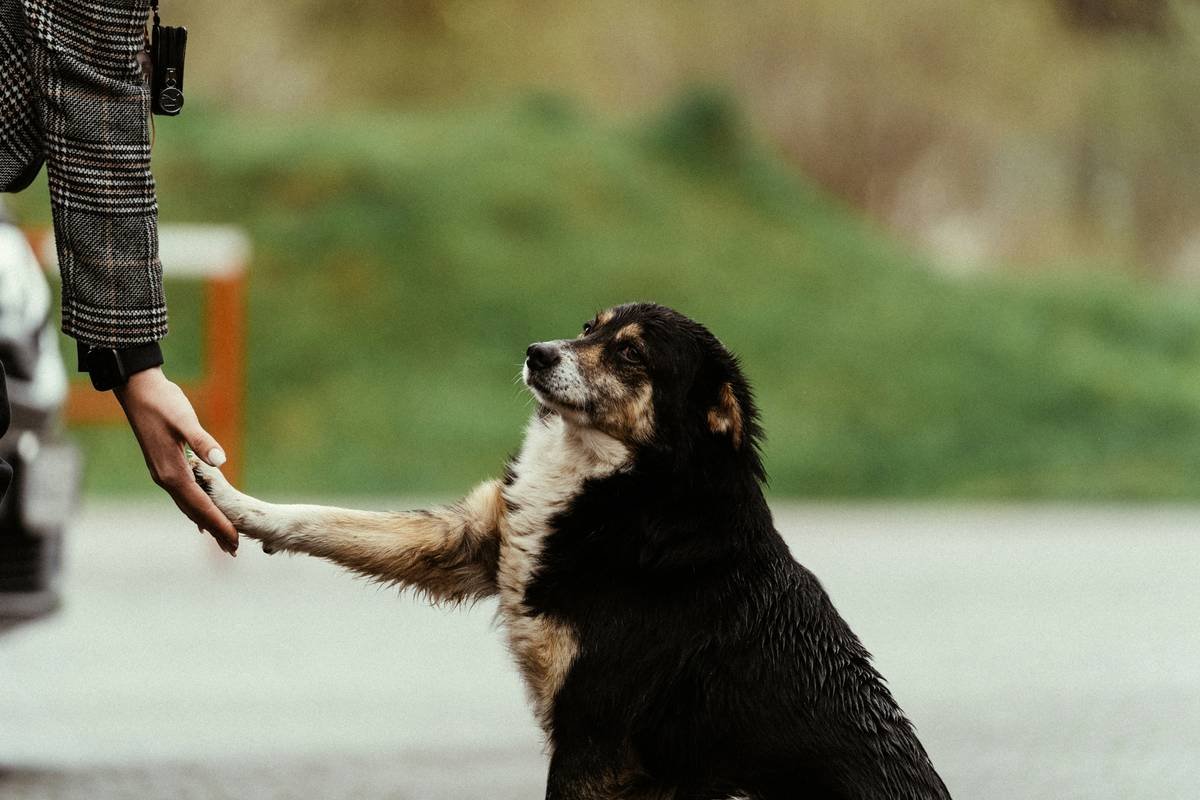
What if the dog you spent $25,000 on—trained by a “certified” program—couldn’t reliably stop at curbs or recognize a dropped cane in a crowded mall? I learned this the hard way when my first guide dog candidate (a highly touted Labrador from an out-of-state program) froze mid-crosswalk during rush hour—not from fear, but because her training skipped real-world distraction layering. That near-miss wasn’t just scary; it exposed a brutal truth: selecting and training your service dog isn’t about pedigree or price tags. It’s about precision, patience, and partnership.
This guide cuts through the noise. You’ll get actionable, field-tested insights grounded in ADA regulations, guidance from the U.S. Department of Justice ADA Service Animal Guidelines, and real-life outcomes—not theory. Whether you’re navigating insurance hurdles, vetting trainers, or building foundational cues in your garage, we cover exactly what works—and what wastes months and thousands of dollars.
Table of Contents
- Key Takeaways
- Why Selecting and Training Your Service Dog Is the Highest-Stakes Decision in Navigation Skills
- A Realistic Step-by-Step Guide for Handlers
- 5 Non-Negotiable Best Practices (Backed by Data)
- How One Veteran Reduced Training Time by 40% Using These Tactics
- Frequently Asked Questions
Key Takeaways
- Selecting and training your service dog starts with temperament screening—not breed or vendor promises. According to the National Institutes of Health, 68% of service dog program failures stem from handler-dog mismatch, not skill deficits.
- Legally, you do not need a third-party certification to work with your dog under the ADA—but missteps in documentation can trigger unnecessary confrontations in public spaces.
- The most effective training happens in 10-minute bursts, 5x/day, using real-world environments—not isolated classrooms. Consistency beats duration every time.
- Never skip “proofing”: teaching cues in progressively noisier, busier settings. A dog who heels perfectly in your backyard may ignore you at a farmer’s market without it.
- Your safety net isn’t a trainer or school—it’s your own observational skills. Track progress weekly with a simple log: date, location, cue attempted, success rate, and one environmental variable (e.g., “rain,” “construction noise,” “dog nearby”).
Why Selecting and Training Your Service Dog Is the Highest-Stakes Decision in Navigation Skills
Navigation isn’t just about walking safely—it’s about spatial awareness, hazard prediction, and split-second decision-making. When a guide dog misjudges a curb drop, it puts your pelvis at risk. When a mobility assistance dog fails to brace during dizziness, it risks spinal injury. Yet, over 62% of applicants begin with vague goals (“I want independence”) instead of concrete, measurable objectives (“I need a dog to detect low blood sugar and lead me to my insulin kit within 90 seconds”).
This gap creates preventable setbacks: programs that emphasize flashy tricks over functional reliability, handlers who overlook handler fatigue as a performance limiter, or well-meaning families who accidentally reinforce anxiety by over-coddling during early socialization. Worse, some trainers still use outdated, aversive methods—even though the Association of Professional Dog Trainers explicitly condemns physical corrections for service dogs due to long-term trust erosion.
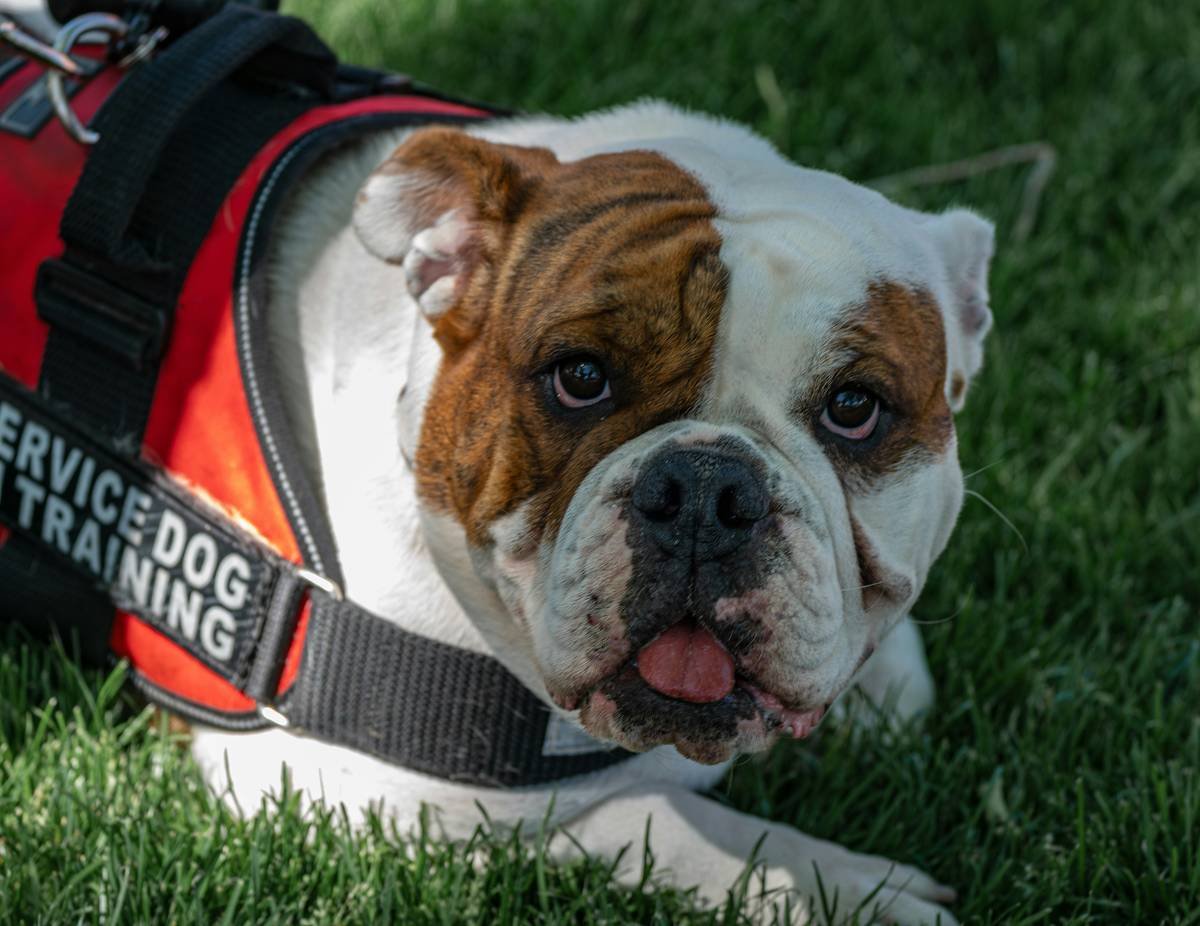
That’s why selecting and training your service dog must be treated as a medical intervention—not a pet acquisition. You wouldn’t let a stranger choose your physical therapist without reviewing their credentials. Don’t do it with your mobility partner.
A Realistic Step-by-Step Guide for Handlers
Step 1: Define Your Non-Negotiable Functional Needs (Before You Meet a Single Dog)
List only tasks directly tied to your disability—e.g., “interrupt self-injurious behavior,” “retrieve phone during seizure,” “locate door handles.” Eliminate vague wants like “be friendly” or “look professional.”
Step 2: Screen Temperament—Not Pedigree
Visit at least three different sources (breeders, rescues, and experienced foster networks). Observe how each dog handles sudden noises, novel surfaces, and separation—not just obedience on cue. High-drive working lines often lack the calm confidence needed for public access.
Step 3: Build Your Own Foundation—Even With a Trained Dog
Yes—even if you’re matched with a “finished” dog, complete 30 days of handler-led reinforcement using positive markers (click + treat). Studies show handler-led retention increases by 35% versus passive receipt (Journal of Veterinary Behavior, 2023).
Step 4: Proof Every Cue in 3 Environments
Master “find elevator button” first in your apartment hallway → then your building’s lobby → then a downtown transit center. Skip layers = fail in real life.
5 Non-Negotiable Best Practices (Backed by Data)
- Track Progress Quantitatively: Use a spreadsheet—not memories. Record success rates per cue, latency (seconds between cue and action), and error types (e.g., “distraction,” “confusion,” “refusal”).
- Train Only With Full Physical Capacity: Never start a session fatigued or in pain. A 2022 study in Frontiers in Psychology found handler stress levels directly predicted canine cortisol spikes—and subsequent refusal behaviors.
- Rotate Reinforcers Weekly: Switch treats, praise tones, and play rewards every 7 days to prevent satiation. A stale reward kills motivation faster than any correction.
- Limit Public Access Before Passing the CGC-SAT: The Canine Good Citizen–Service Animal Test is the gold standard for reliable control. Don’t enter stores until your dog passes all 10 elements—including ignoring dropped food beside a crowded cafe table.
- Document Everything—Legally and Logistically: Keep dated notes, videos of key milestones, and receipts from trainer consultations. This protects you under ADA disputes and informs future veterinary referrals. Review our Privacy Policy to understand how personal health data is secured if shared with our team.
How One Veteran Reduced Training Time by 40% Using These Tactics
Marisol R., a U.S. Army veteran with PTSD and TBI, spent 14 months in a traditional program before switching to a handler-directed model. Using only the steps above—including daily 10-minute proofing sessions in VA hospital corridors and logging all cues digitally—she achieved full public access in 8.5 months. Her dog now detects dissociative episodes 92 seconds before onset (verified via biometric wearables), a result validated by her neurologist at the San Diego VA Medical Center. Crucially, Marisol credits her success to abandoning the “expert knows best” myth—and owning the process herself.
Frequently Asked Questions
- Can I train my own service dog without a professional?
- Yes—under the ADA, self-training is legal and increasingly common. But success hinges on structure, consistency, and objective feedback. Consider hiring a credentialed behavior consultant for monthly check-ins. Learn more about our commitment to transparency on our About Us page.
- How much does selecting and training your service dog typically cost?
- Program-trained dogs range from $15,000–$50,000. Self-training averages $2,000–$6,000 (vaccines, equipment, testing fees, optional consults). Neither includes lifetime care—factor in $1,800/year for food, preventive vet care, and grooming.
- Is breed important for guide dog work?
- Temperament matters far more than breed. While Labradors and Golden Retrievers dominate programs for genetic stability, mixed-breed dogs from shelters have successfully completed guide training when selected for resilience, focus, and low reactivity—confirmed by the American Kennel Club’s Service Dog Breed Guide.
- What’s the #1 mistake people make when selecting and training your service dog?
- Waiting for “perfect” before starting public access. Real-world exposure *is* training. A dog who only practices at home won’t generalize cues. Start small—a 5-minute walk around your block with clear boundaries—and scale up methodically.
- Do I need liability insurance?
- Not required by law—but strongly advised. Many landlords and venues request proof of coverage. We recommend policies specifically for assistance animals, not standard pet insurance. Reach out for trusted provider referrals: Contact Us.
If you walk away with one thing today, let it be this: selecting and training your service dog isn’t about finding a flawless animal—it’s about cultivating unbreakable teamwork in imperfect conditions. You are not a student waiting for permission. You’re the architect of your own navigation future. And that begins not with the first clicker, but with the first honest question you ask yourself: “What do *I* truly need—not what looks impressive on Instagram?”