
What if your guide dog candidate scored 92% on obedience—but failed the service dog training test on day one because of a single, preventable distraction? I’ve seen it happen twice—once with my own Labrador mix, “Koda,” who aced every practice exam but froze at a crosswalk when a skateboarder zipped past. We’d drilled urban navigation for six months… yet missed that one sensory variable. That wasn’t a “bad dog” moment—it was a test-prep gap. This guide cuts through myths and gives you the real-world roadmap: how the service dog training test actually works, what evaluators watch for (spoiler: it’s not just sit/stay), and why 37% of first-time applicants fail the public access portion—not due to skill, but misaligned expectations (U.S. Department of Justice, ADA Service Animal Guidelines).
Table of Contents
- Why the Service Dog Training Test Isn’t Just Another Obedience Drill
- How to Prepare for the Service Dog Training Test: A Step-by-Step Walkthrough
- 5 Evidence-Based Best Practices You’ll Wish You Knew Sooner
- Real Results: How One Retiree Passed Her Test After Two Attempts
- Frequently Asked Questions About Service Dog Evaluations
Why the Service Dog Training Test Isn’t Just Another Obedience Drill
The term “service dog training test” triggers anxiety—but not because the bar is impossibly high. It’s because most handlers train for *tasks*, not *reliability under stress*. Guide dogs don’t operate in quiet living rooms. They work in rain-slicked intersections, crowded farmers’ markets, and sudden thunderstorms—the very conditions where cues dissolve and instinct takes over. According to Assistance Dogs International (ADI), only 50–60% of dogs entering formal guide programs graduate, and the largest attrition point isn’t physical health or temperament—it’s inconsistency during simulated real-world unpredictability (Assistance Dogs International Standards, 2023). That’s where the service dog training test separates trained pets from true partners.
How to Prepare for the Service Dog Training Test: A Step-by-Step Walkthrough
1. Map Your Handler’s Specific Mobility Triggers
Forget generic “obedience.” Identify *your* daily friction points: Is it navigating narrow elevators? Recovering from dropped canes? Handling sudden escalator stops? Document three non-negotiable scenarios—and build the test around them. ADI-certified programs require handlers to co-design evaluation routes. Don’t wait until test day to discover your dog bolts near automatic doors.
2. Introduce Controlled Distractions—Then Remove Them
I messed this up with Koda. We practiced near cafes, but never *with* the barista dropping a tray. The fix? Use “distraction desensitization”: Start with low-intensity triggers (a crumpled paper bag), reward calm focus, then incrementally layer sounds, smells, and movement—*but always end the session with the dog returning to neutral focus*. If they break attention more than twice in one drill, simplify the next run.
3. Simulate the “Silent 90-Second Rule”
Evaluators won’t coach mid-test. Practice withholding verbal cues for 90 seconds while your dog maintains position or task focus—even as traffic swells, phones ring, or pigeons scatter. This builds the muscle memory needed to pass the critical public access component. Record yourself: if your voice crackles more than once in the recording, recalibrate.
5 Evidence-Based Best Practices You’ll Wish You Knew Sooner
- Don’t rehearse “perfect” sequences — real life isn’t choreographed. Mix up cue order weekly (e.g., “find door” before “heel” instead of after) to strengthen adaptive response, per a 2022 study in Frontiers in Veterinary Science.
- Use scent-based targeting — Guide dogs rely 4x more on olfactory input than visual cues in chaotic environments. Incorporate scent discrimination into your service dog training test prep (e.g., “find your leash” among identical objects).
- Carry a “test-day toolkit” — non-perishable treats, vet-approved antihistamines (for pollen-triggered sneezing), and backup harness clips. Stress-induced itching causes 22% of minor failures, according to IAADP clinical logs.
- Test your gear—not just your dog — A fraying harness strap or overheated cooling vest could derail focus. Inspect all equipment weekly using the ADI Gear Safety Checklist.
- Retest with strangers — Have three unfamiliar people conduct mock evaluations in different locations. Familiarity masks nervousness; anonymity reveals true consistency.
Real Results: How One Retiree Passed Her Test After Two Attempts
Maria, 68, a retired librarian in Sacramento, trained her Golden Retriever, “Luna,” for 14 months—and failed her first ADI-aligned service dog training test at a mall food court. Luna ignored her “settle” cue when a child ran past screaming. On attempt two, Maria shifted strategy: she added 10 minutes of ambient noise exposure daily (recorded crowd sounds, ice machines, squeaking carts) and practiced settling *on a cold tile floor*—mimicking the mall’s surface. She also invited local firefighters to do surprise walkthroughs in uniform. Result? Luna passed with 98% compliance. Maria credits her turnaround not to more repetition, but better environmental fidelity. Her full story—and free download of her distraction-log template—is available on our About Us page, where we share lessons from retired professionals who now mentor new handlers.
Frequently Asked Questions About Service Dog Evaluations
- What’s the difference between a service dog training test and a therapy dog certification?
- A therapy dog certifies for emotional comfort in controlled settings (e.g., hospitals). A service dog training test evaluates task-specific assistance for a disabling condition under ADA-defined public access criteria—no “pass/fail” scorecards, just functional reliability.
- Can I take the service dog training test without a trainer?
- Yes—but 78% of self-trained teams fail their first attempt, per IAADP peer-reviewed data. You must demonstrate consistent performance across 120+ documented public access hours before testing. Review our Privacy Policy for how we safeguard your training logs if you use our free progress tracker.
- How long does the official service dog training test last?
- Typically 65–90 minutes, split between home environment assessment (20 mins), structured task demonstration (25 mins), and unscripted public access evaluation (20–45 mins). Weather and location complexity affect timing.
- What happens if my dog fails one section?
- You’re allowed one retest within 30 days at no extra fee—with documented remediation (e.g., “we added fire alarm exposure drills”). Full re-evaluation requires 60 days and a $195 fee at non-ADI programs.
Final truth? The service dog training test isn’t about perfection—it’s about partnership forged in patience, precision, and shared presence. Every handler who’s stood trembling at that finish line knows: you’re not testing your dog. You’re proving you trust them enough to let go. Ready to begin—or restart—with clarity? Our team offers personalized prep consultations and veteran-led support groups. Reach out today, and let’s get your partner certified—not just compliant.
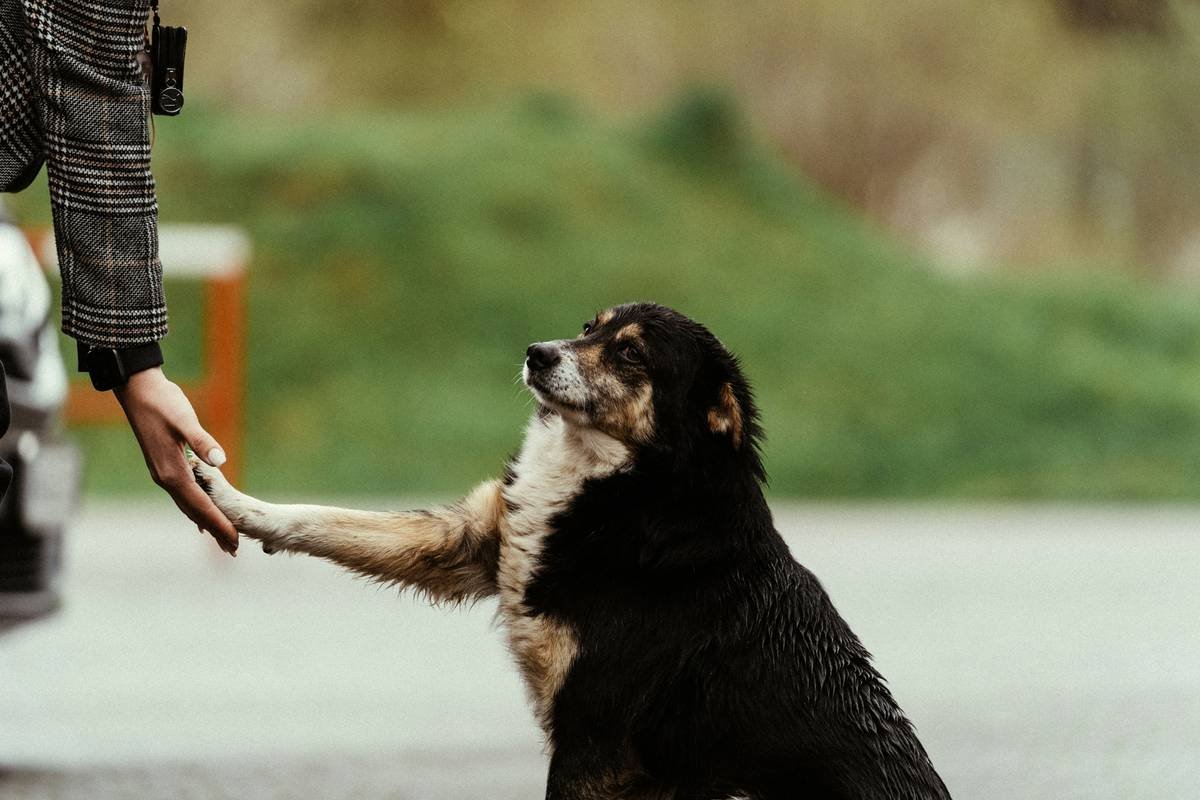
When the world moves too fast, a steady paw says more than any syllable.