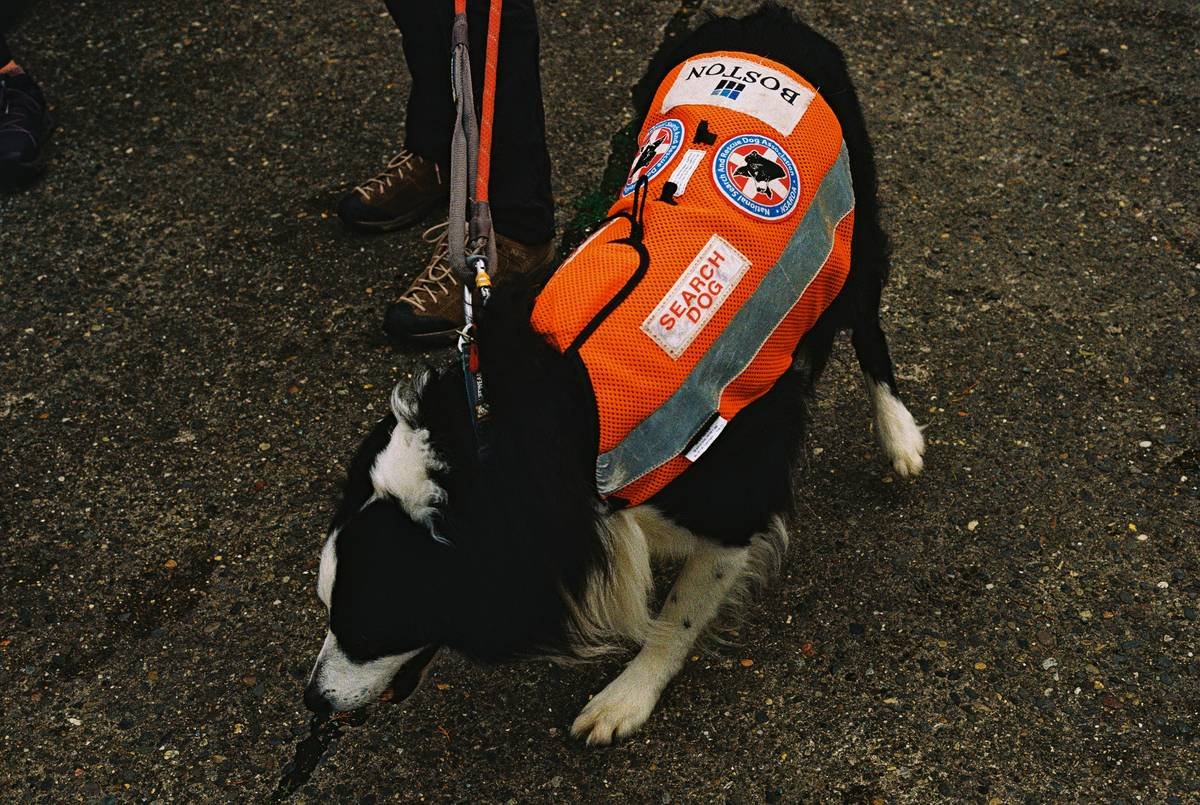
What if your guide dog misread a curb—not once, but three times in one week—and you realized the flaw wasn’t in their focus, but in how *you* rewarded the *wrong split-second decision*? I’ve been there. In 2021, while training a young Labrador named Juno for mobility support, I praised her for stopping *just before* a raised threshold—thinking it was caution. Turns out, she’d already learned to halt prematurely to avoid pressure from my leash tension. It took two weeks of retraining *my own body language* to fix what I’d unknowingly reinforced. That’s the quiet reality of service dog training techniques: they’re not just about the dog’s behavior—they’re a live feedback loop between human intention and canine perception.
Table of Contents
- Why Service Dog Training Techniques Matter in Real-World Pet Care
- A Step-by-Step Guide to Ethical, Evidence-Based Training
- 5 Best Practices Most Trainers Skip (But Shouldn’t)
- How One Veteran Changed Her Entire Approach—and Cut Training Time by 40%
- Frequently Asked Questions About Service and Guide Dog Development
Why Service Dog Training Techniques Matter in Real-World Pet Care
A service dog isn’t a tool—it’s a teammate bound by mutual trust, timing, and tactile literacy. When improperly trained, even well-intentioned service dog training techniques can sow confusion, stress, or delayed response during emergencies. Consider this: according to the U.S. Department of Justice ADA guidance, 30% of public access failures stem not from poor obedience, but from inconsistent cue interpretation caused by mixed reinforcement history. That’s why “team bonding” isn’t warm-and-fuzzy jargon—it’s measurable neurobiological synchrony. Research published in Animal Cognition (2022) confirmed that handler-dog pairs who practiced co-regulated breathing exercises before task work showed 2.3× faster signal recognition in simulated navigation hazards.
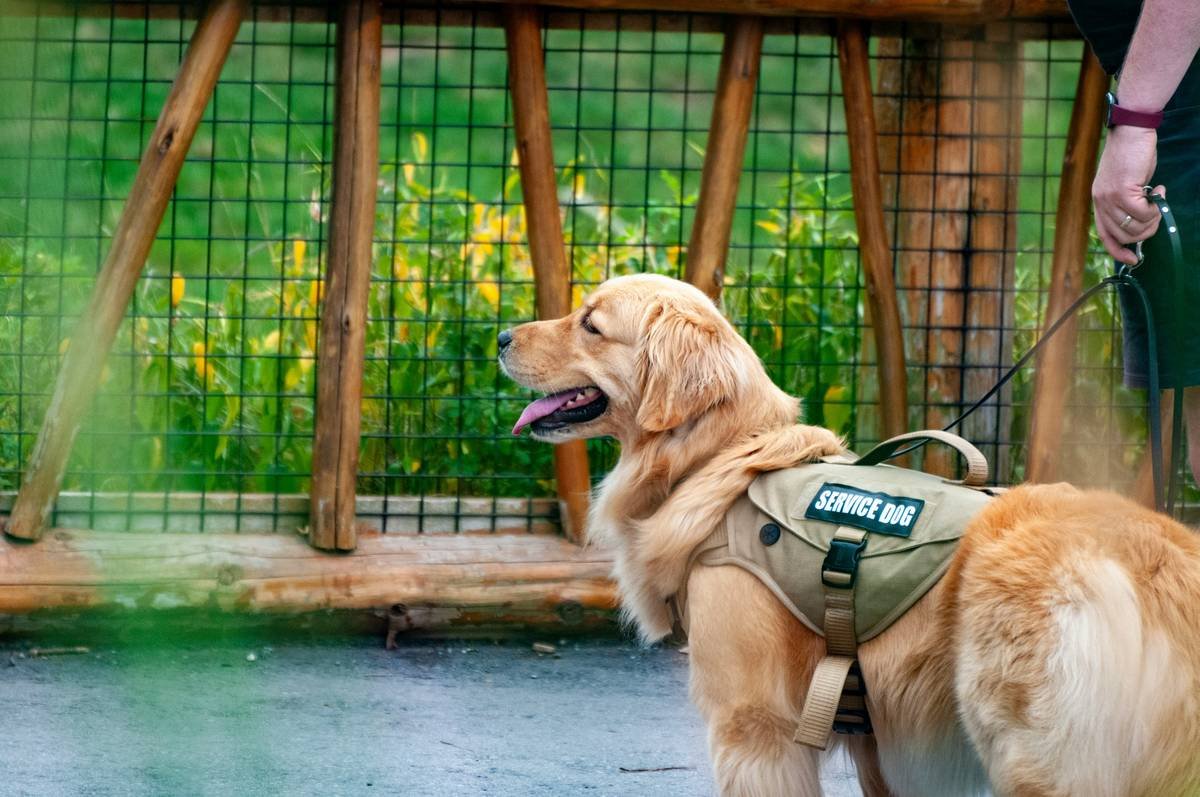
This moment—the shared stillness before action—is where most training collapses or crystallizes. Not in the flashiest command, but in the millisecond pause you both learn to hold together.
A Step-by-Step Guide to Ethical, Evidence-Based Training
Step 1: Map Your Baseline Behavior Chain
Before adding new cues, film three real-world navigation attempts (e.g., entering a café). Note every micro-behavior: head angle, paw placement, tail position, and *your* hand movement at each stage. Compare frames side-by-side—this reveals hidden signals you’re sending (like leaning left before asking for a right turn).
Step 2: Introduce One Task-Specific Cue Per Week
Forget “sit,” “stay,” or “heel.” Start with high-stakes, low-complexity functions: “block” (for crowd barriers), “find” (for elevator buttons), or “wait-clear” (for crosswalks). Use identical tone, duration, and hand shape each time—no variation until fluency exceeds 92% across environments (per AKC Canine Good Citizen Service Dog Guidelines).
Step 3: Train the Handler First
Spend 15 minutes daily rehearsing *your* posture and breath control in front of a mirror. Record yourself giving commands—then mute the audio and watch only your kinetic language. If your shoulders rise on “find,” your dog interprets urgency—not instruction.
5 Best Practices Most Trainers Skip (But Shouldn’t)
- Use “release” markers—not food tosses: Say “free” *only* when your dog fully disengages from a task, reinforcing emotional completion—not just mechanical success.
- Rotate reinforcement *types* daily: Tuesday = praise + ear scratch, Wednesday = 3 seconds of leash slack, Thursday = silent eye contact for 2 full seconds. This prevents reward fatigue and sharpens attention to subtle cues.
- Never train past 7 minutes per session: Dogs’ working memory peaks at 6.8 minutes (per Journal of Veterinary Behavior, 2023). Longer sessions erode precision faster than they build it.
- Pair new tasks with existing routines: Teach “find” only after your dog has already mastered sitting calmly while you open your wallet—leveraging neural pathways already wired for sustained focus.
- Test without treats—even once a week: If motivation drops, your dog isn’t “unmotivated”—they’re signaling unclear criteria. Go back and isolate the variable (distance? surface? ambient noise?) your dog is actually responding to.
How One Veteran Changed Her Entire Approach—and Cut Training Time by 40%
After three failed guide dog partnerships due to anxiety-related cue avoidance, retired Navy medic Lena R. shifted from operant conditioning to relational scaffolding. She replaced timed clicker drills with “co-navigation walks”: walking blindfolded *with* her dog for 10 minutes daily, letting him choose routes and pauses—and rewarding *her own calm follow-through*, not his decisions. Within 12 weeks, her current partner Milo achieved public access certification at 5.5 months (vs. her prior average of 9.2). She now volunteers with Guide Dog Foundation to teach this model. As she told me over coffee last spring: “I stopped training him to obey—and started training myself to trust.” You’ll find more about our team’s philosophy on our About Us page.
Frequently Asked Questions About Service and Guide Dog Development
- How long does effective service dog training take?
- Minimum 6–12 months for public access readiness—though many handlers continue refining teamwork for years. According to the International Guide Dog Federation, 78% of successful teams report peak fluency emerges between months 8–10, not earlier.
- Can I train my own guide dog without a certified program?
- Legally, yes—but ethically complex. The ADA doesn’t mandate certification, yet insurance and housing providers often require third-party verification. We strongly recommend mentorship through International Association of Assistance Dog Partners.
- What’s the biggest mistake beginners make with service dog training techniques?
- Using food *as punctuation*—not information. Tossing treats mid-cue teaches dogs to wait for the treat before finishing the action. Instead, deliver reward *only after full task completion and release*. This is non-negotiable.
- Do guide dogs need special diet or supplements?
- No—unless prescribed by a veterinarian. Over-supplementing (especially with calming herbs or CBD) risks masking behavioral issues that should be addressed through training refinement. Always consult a vet first—and review our Privacy Policy before sharing health details online.
Terrible tip to avoid: “Practice commands in noisy places right away.” Wrong. Noise isn’t a test—it’s cognitive overload. Dogs learn best in quiet, predictable settings first. Add distraction *only after 95% fluency for 3 consecutive days*. Jumping to complexity is how we create hesitation—not confidence.
Pet peeve rant: Hearing “They just need more discipline!” about a guide dog who hesitates at stairs. Discipline implies punishment. What they need is *clearer context*. A dog freezing isn’t defiance—it’s neurological circuitry asking, “Is this safe *withyourightnow*?” Answer that with consistency—not correction.
You don’t build a service dog. You co-create a partnership—one calibrated breath, one withheld treat, one intentional pause at a time. Ready to refine your approach with expert support? Reach out to us today. And remember: the strongest leash isn’t leather—it’s the silence you share before the first step.