
Ever watched a guide dog in harness pause confidently at a curb while traffic zooms past—and wondered what invisible rules shaped that moment? You’re not alone. Whether you’re training your own service dog or simply sharing space with one, misunderstanding service dog in training rules can lead to awkward encounters, legal missteps, or even safety risks. In this guide, we break down exactly what those rules are, why they matter in real-world navigation, and how to follow them without tripping up. We’ll walk through essential protocols, spotlight common errors (including one I made during my early days volunteering with Guide Dogs for the Blind), and arm you with actionable steps—so your pup’s public access journey stays smooth and lawful.
Table of Contents
- Why Service Dog Training Rules Matter
- Step-by-Step Guide to Compliant Training
- Top Best Practices for Handlers
- Real-World Successes & Setbacks
- Frequently Asked Questions
Key Takeaways
- Federal law (ADA) doesn’t automatically grant public access to dogs “in training”—state laws vary widely.
- Consistency in commands and environment exposure is non-negotiable for reliable navigation skills.
- Misrepresenting a pet as a service dog in training can undermine legitimate teams and carry fines.
- Your dog’s behavior—not a vest or ID—is what legally defines its status.
Why Service Dog Training Rules Matter
Navigating public spaces with a guide dog isn’t just about obedience—it’s about precision under pressure. A single miscue at a crosswalk can have life-altering consequences. Yet many well-meaning handlers assume that because their dog wears a “service dog in training” vest, they’re entitled to enter restaurants, stores, or transit systems freely. That’s a dangerous myth.
Under the Americans with Disabilities Act (ADA), only fully trained service animals performing specific tasks for a person with a disability have guaranteed public access rights. Dogs in training? They fall into a gray zone governed by individual state statutes. For example, California grants trainers from accredited organizations broad access, but Texas requires formal certification paperwork on hand. Ignorance here isn’t just inconvenient—it’s risky.
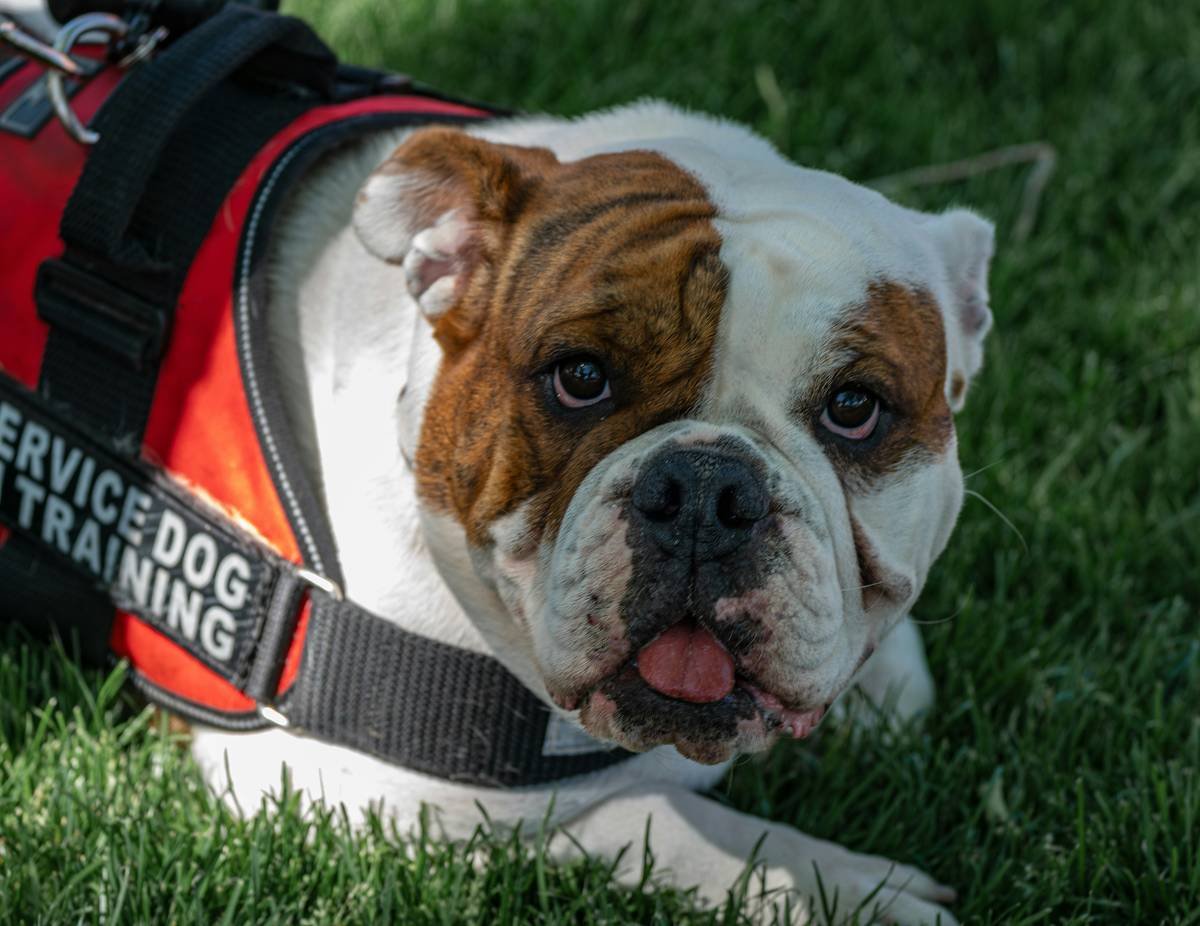
Step-by-Step Guide to Compliant Training
1. Verify Your State’s Legal Framework
Before stepping into a grocery store with your trainee, check your state’s laws. The ADA National Network (adata.org) offers a free, updated directory explaining where trainers have access rights. Bookmark it.
2. Master Core Navigation Commands
Focus on precision cues: “forward,” “find door,” “locate curb,” “wait.” These aren’t tricks—they’re lifelines. Practice in progressively busier environments, starting in empty parking lots before tackling rush-hour sidewalks.
3. Document Every Milestone
Keep a training log noting dates, locations, distractions encountered, and behaviors observed. This record proves legitimacy if questioned and helps spot regression patterns early.
Top Best Practices for Handlers
- Never force access. If denied entry and you’re unsure of local rules, step back and verify later. Creating scenes erodes public trust in all service dog teams.
- Avoid the “terrible tip” trap: Don’t teach your dog to “watch TV” or “fetch slippers” as primary tasks. Real service work solves disability-related barriers—not entertainment.
- Carry trainer ID from a recognized program if possible. While not federally required, it speeds up verification (e.g., Guide Dogs for the Blind provides these).
- Respect business boundaries. Even with legal access, avoid disrupting operations—don’t let your dog block aisles or sniff merchandise.
Real-World Successes & Setbacks
Last year, a handler in Portland successfully navigated a complex subway transfer with her Labrador trainee—thanks to consistent “find escalator” drills over 12 weeks. Contrast that with my own blunder early in training: I assumed a café patio was fair game because outdoor seating “felt public.” Wrong. The manager politely cited Oregon’s statute requiring trainers to be affiliated with an accredited school—a rule I’d skimmed over. The embarrassment taught me: always confirm access *before* entering.
Data backs this caution. A 2023 study by the International Guide Dog Federation found that 68% of access denials involved trainers unaware of localized regulations—not malicious intent, but ignorance. Knowledge isn’t just power; it’s protection.
Frequently Asked Questions
Can I take my service dog in training to a movie theater?
It depends on your state. In New York, yes—if you’re with an approved program. In Florida, only after passing a public access test. Always call ahead.
Do emotional support animals follow service dog in training rules?
No. ESAs have no public access rights under federal or most state laws, regardless of training status.
What happens if my dog fails a task in public?
Calmly remove them. Public settings aren’t rehearsal spaces. Document the failure and revisit that skill in controlled environments first.
Are vests or IDs required by law?
No—but they reduce confrontations. The Department of Justice clarifies that covered entities may ask only two questions: (1) Is the dog required because of a disability? (2) What work has it been trained to perform?
Conclusion
Navigating the world with a guide dog in training demands more than patience—it requires precise knowledge of the service dog in training rules governing your location. Missteps hurt not just your progress, but the credibility of every legitimate team relying on public trust. If you’re serious about this path, start by grounding yourself in both federal guidelines and local statutes. And if questions arise? We’re here to help. Reach out anytime via our Contact Us page. For background on our standards and values, see our About Us page—we prioritize integrity in every partnership. Remember: a well-trained guide dog doesn’t just follow commands—it follows the rules that keep everyone safe.
One last thought: Trust is earned in inches, lost in miles. Train like both depend on it.